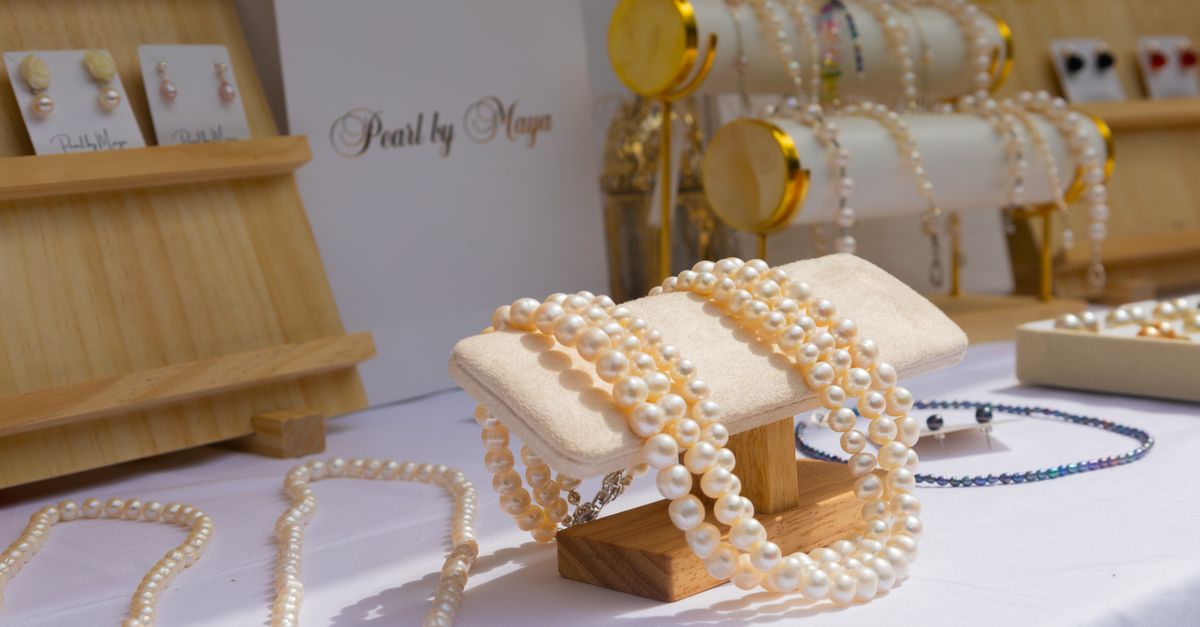
A Beginner’s Guide to Recognising High-Quality Pearls
Table Of Contents
Evaluating Surface Quality
The surface quality of pearls is a crucial factor in determining their overall value. High-quality pearls should exhibit a smooth, lustrous surface that catches the light beautifully. A pearl with minimal blemishes will not only look more appealing but also demonstrate a higher level of craftsmanship. Evaluating the level of imperfections involves examining the pearl under good lighting. Look for signs of scratches, spots, or irregularities that could detract from its allure.
Blemishes can vary significantly in size and severity. Some minor imperfections may be barely noticeable, while more prominent ones can drastically affect a pearl’s desirability. It is important to note that natural pearls often exhibit more imperfections than cultured varieties. Cultured pearls undergo meticulous processes to achieve a flawless look. When assessing a pearl, consider how the surface condition aligns with your personal preferences and the intended purpose of the piece. A pearl destined for formal jewellery may demand stricter quality standards compared to those for casual wear.
Identifying Blemishes and Imperfections
Examining the surface of a pearl is crucial for assessing its quality. Look closely for blemishes such as spots, bumps or discolouration. High-quality pearls should exhibit minimal imperfections. If you spot significant flaws, these can detract from the overall value of the pearl.
One effective method for evaluating a pearl’s surface is to inspect it under bright light. The illumination can reveal surface irregularities that might not be visible in dim lighting. A pearl that appears smooth and flawless from a distance may show defects up close. Maintaining awareness of these details helps you distinguish between pearls of different grades.
Pearl Colour Variations
The colour of pearls can range dramatically, showcasing a spectrum of hues that appeal to various tastes. Natural pearls often exhibit shades such as white, cream, pink, lavender, and black, while cultured pearls can display even more vibrant colours, thanks to the influence of the molluscs' environment and the types of oysters used. Each colour holds unique cultural significance and desirability in the marketplace, which can impact value.
Popular colour types include the classic white, associated with purity and elegance, and the deeper hues of Tahitian pearls, known for their striking blacks, greens, and peacock tones. Akoya pearls are often revered for their lustrous white and rose tones, while South Sea pearls can flaunt golden shades that exude luxury. Understanding these variations helps buyers appreciate the individual charm of each pearl and make informed choices when selecting their perfect piece.
Recognising Popular Colour Types
Different types of pearls come in a variety of attractive colours, each with its own appeal. The most common colours include white, black, and shades of pink and gold. White pearls, often associated with elegance and purity, are highly sought after for traditional jewellery. Black pearls, primarily sourced from Tahiti, offer a dramatic contrast, showcasing a spectrum of overtones that range from peacock green to royal blue.
Shades of pink, lavender, and peach also hold significant popularity, with each hue carrying its own charm. These pearls can add warmth and femininity to any piece of jewellery. Gold pearls, with their natural rich sheen, stand out for their rarity and luxurious appearance. Understanding these colours can enhance one's appreciation for the beauty of pearls and help in selecting options that suit personal preferences or style.
Nacre Thickness and Quality
The thickness of a pearl's nacre plays a crucial role in its overall quality and durability. A thicker nacre layer protects the inner structure of the pearl and contributes to its lustre. While most high-quality pearls have nacre thickness of at least 0.5mm, thicker layers often result in a more valuable gem. This additional thickness also means that the pearl will maintain its beauty over time, resisting wear and tear that might dull its surface or lead to a loss of shine.
Measuring nacre thickness can be more challenging than assessing surface quality, as it often requires specialized tools or professional assistance. Some pearls may appear beautiful on the outside but could have a thin nacre layer, making them susceptible to damage and wear. Investing in pearls with confirmed nacre thickness ensures a longer-lasting piece that can be cherished for years, adding both aesthetic and sentimental value to the jewellery collection.
Why Nacre Matters for Durability
Nacre, or mother-of-pearl, plays a crucial role in determining the durability of pearls. The thickness of the nacre affects not only the pearl's lustre but also its resilience against scratches and damage. A thicker nacre layer offers greater protection, making the pearl less susceptible to wear over time. This characteristic is particularly important for pieces that will be worn often, where a high-quality pearl can stand the test of everyday use.
Understanding the significance of nacre thickness helps in distinguishing between pearls of different qualities. Cultured pearls, for instance, vary widely in nacre depth; those with a substantial nacre layer are generally more sought after. Shiny and lustrous pearls usually indicate healthy nacre development, whereas pearls with thin nacre may appear dull and are more prone to chipping. Investing in pearls with adequate nacre thickness ensures longevity and maintains their beauty for years to come.
FAQS
What are the key factors to evaluate when assessing pearl quality?
The key factors to evaluate include surface quality, colour variations, nacre thickness, and the presence of any blemishes or imperfections.
How can I identify blemishes on a pearl?
Blemishes can be identified by closely examining the surface of the pearl for irregularities, such as spots, dents, or cracks. High-quality pearls should have minimal to no blemishes.
What are the most popular colours of pearls?
The most popular colours of pearls include white, cream, pink, silver, and black. Each colour has its unique appeal and can vary in tone and intensity.
Why is nacre thickness important when choosing pearls?
Nacre thickness is crucial because it affects the pearl's durability and lustre. Thicker nacre usually indicates a higher-quality pearl that is less likely to chip or wear, ensuring it lasts longer.
How can I ensure I'm purchasing high-quality pearls?
To ensure high-quality pearls, look for reputable retailers, check for certifications, and carefully assess the surface quality, colour, and nacre thickness before making a purchase.
Related Links
The Role of Certification in Ensuring Gemstone AuthenticityHow to Identify and Appreciate Quality Craftsmanship in Jewellery
Understanding the Impact of Ethical Sourcing on Jewellery Quality
The Importance of Hallmarking in Jewellery Products
Real vs Lab-Created Diamonds: What You Need to Know