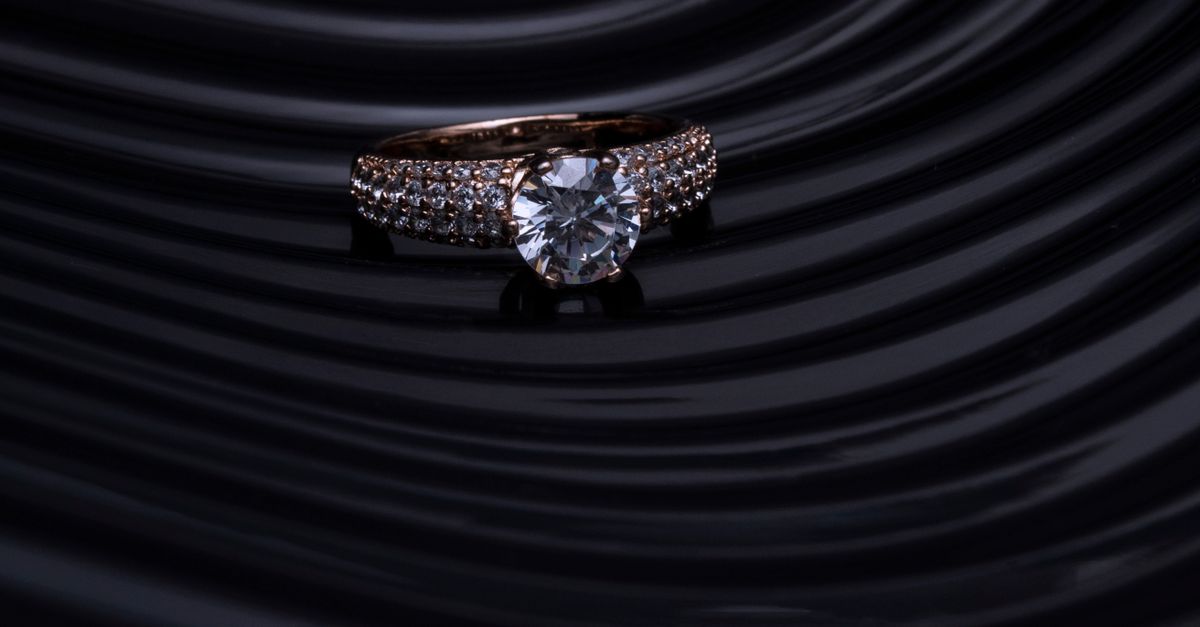
The Importance of Regularly Inspecting Your Jewellery
Table Of Contents
Preventing Damage to Your Jewellery
Regular inspections of jewellery play a crucial role in maintaining its integrity and appearance. Over time, settings can loosen, and stones may become dislodged. Identifying these issues early can prevent more significant problems down the line. Taking the time to look for scratches, tarnishing, or signs of wear can help you address concerns swiftly, keeping your pieces looking their best for longer.
Routine maintenance such as cleaning can also play a part in extending the lifespan of your jewellery. Dust and dirt accumulation can dull the shine, making even the most exquisite pieces look lacklustre. Investing in a proper cleaning regimen, using appropriate solutions for different materials, can enhance the brilliance of your jewellery. Additionally, regular professional checks can offer expert insights and services, ensuring that your treasured items remain safe and beautiful over time.
Best Practices for Safe Storage
Proper storage is essential for maintaining the beauty and integrity of jewellery. Using a dedicated jewellery box with compartments can prevent pieces from scratching each other. Soft pouches or individual boxes for each item can help minimise exposure to dust and tarnishing. Keeping items in a cool, dry place away from direct sunlight is crucial, as excessive heat and moisture can damage both metals and gemstones.
Regularly assessing your storage solutions is advisable to ensure they remain effective. Avoiding storing jewellery in the bathroom reduces the risk of exposure to humidity. Keeping the storage area organised also makes it easier to inspect pieces regularly for any signs of wear or damage. This proactive approach contributes to the longevity of your cherished items, ensuring they continue to shine for years.
The Impact of Environmental Factors
Jewellery often faces various environmental factors that can lead to deterioration over time. Humidity, temperature fluctuations, and exposure to pollutants can significantly affect the appearance and structural integrity of your pieces. High humidity can cause tarnishing in metals, while dry air can lead to cracking in certain gemstones. Additionally, exposure to harsh chemicals found in everyday products can result in discolouration and damage, necessitating regular checks to ensure your jewellery remains in pristine condition.
The environment in which jewellery is stored plays a crucial role in its longevity. Natural elements like sunlight can fade and weaken stones, while dust and dirt can accumulate, potentially scratching surfaces. Storing items in a clean, dry, and stable environment helps mitigate the effects of these factors. Using anti-tarnish pouches or silica gel packs can also create a protective barrier against moisture and pollutants, ensuring that your cherished pieces maintain their beauty for years to come.
Keeping Your Jewellery Safe from Elements
Harsh environmental factors can significantly impact the condition of your jewellery. Exposure to elements such as moisture, heat, and even pollutants can lead to tarnishing, discolouration, and a general decline in appearance. When storing your pieces, it is essential to keep them in a cool, dry place away from direct sunlight. This precaution helps to minimise the risk of damage caused by UV rays and humidity. Regular cleaning also plays a key role in maintaining the integrity of your items.
Certain materials are particularly sensitive to environmental conditions. For instance, pearls and opals require extra care due to their porous nature, making them vulnerable to water and chemicals. Always remove jewellery before engaging in activities that may expose it to elements, such as swimming or cleaning. By understanding the specific needs of your pieces, you can protect your investment and ensure that your jewellery remains beautiful for years to come.
Understanding Different Metals and Stones
Jewellery is made from a variety of metals and stones, each possessing unique properties and characteristics. Common metals include gold, silver, and platinum, with different alloys affecting their durability and colour. For instance, sterling silver, while beautiful, can tarnish over time, necessitating regular cleaning and maintenance. Gold varies in purity, with 24-karat gold being the softest and most malleable. In contrast, both white gold and rose gold contain other metals that enhance their strength.
When it comes to stones, understanding their hardness and care requirements is essential. Diamonds, for example, rank highest on the Mohs scale, making them exceptionally durable for everyday wear. Softer gemstones like opals and pearls require more careful handling and specific cleaning routines to minimise scratches and damage. Awareness of these distinctions ensures that your jewellery can be preserved in its best condition, allowing you to enjoy it for many years.
How Material Affects Longevity
The longevity of jewellery largely depends on the materials used in its creation. Precious metals such as gold, platinum, and silver offer durability and resistance to tarnishing. These metals can withstand daily wear better than alternatives but still require regular maintenance to keep their shine intact. In contrast, less expensive materials may wear down quickly, showing signs of scratches or fading, which diminishes the overall appearance of the piece over time.
Gemstones also play a crucial role in the durability of jewellery. Diamonds, known for their hardness, can endure significant impact and resist damage, making them ideal for everyday pieces. Softer stones, such as opals or pearls, are more prone to scratches and cracks, necessitating extra caution when worn. Understanding the characteristics of different materials can help owners make informed decisions about how to care for their jewellery, ultimately influencing its lifespan.
FAQS
How often should I inspect my jewellery?
It’s recommended to inspect your jewellery at least once every six months. However, if you wear certain pieces daily, such as rings or bracelets, more frequent inspections may be beneficial.
What should I look for during a jewellery inspection?
During an inspection, check for any signs of damage, such as loose stones, worn prongs, or scratches. Pay attention to clasps and chains, ensuring they are secure and functioning properly.
How can I safely store my jewellery?
Store your jewellery in a cool, dry place, preferably in a soft-lined box or pouches to prevent scratches. Avoid storing different metals together to prevent tarnishing or scratching.
What environmental factors can damage my jewellery?
Environmental factors such as humidity, extreme temperatures, and exposure to chemicals can damage jewellery. It’s essential to keep your pieces away from harsh cleaning products and moisture.
Does the type of metal or stone affect how often I should inspect my jewellery?
Yes, different metals and stones have varying durabilities. For example, softer stones may require more frequent inspections compared to harder gemstones, while certain metals may tarnish more quickly than others.
Related Links
Best Practices for Caring for Costume JewellerySeasonal Care Tips for Different Types of Jewellery
Repairing Minor Damage in Your Jewellery at Home
Understanding the Effects of Humidity on Jewellery
How to Safeguard Your Jewellery from Environmental Factors